Meta Connect 2026: VR glasses at 100 grams, a dedicated Muse device, and movies on Quest
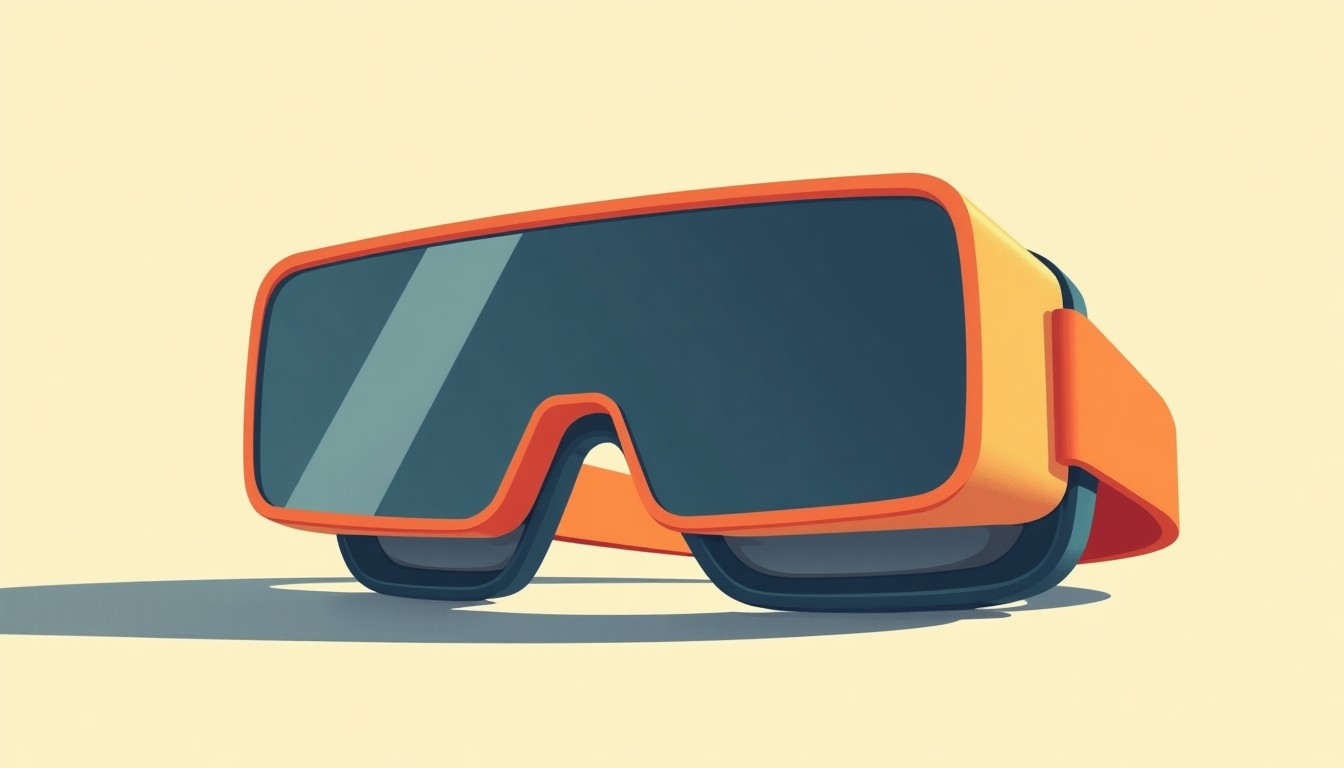
The glasses that replace the headset
Mark Zuckerberg closed the annual conference with an announcement that rewrites the VR form factor: new VR glasses that look like heavy sunglasses, weigh just 100 grams — one-fifth of the Quest 3 — and tether by cable to a pocket-sized compute puck. No head straps. The frame rests on the ears and serves up immersive displays for movies, games, and multi-screen work. Early hands-on sessions at Meta headquarters described the experience as a "lightweight Vision Pro," physically and mentally: you jump in and out without the cumbersome donning ritual. Launch is slated for spring 2027; pricing has not been disclosed.
Muse Charm: an AI agent without the phone
The evening's surprise was Muse Charm, a dedicated hardware companion for the new Muse AI agent, which launched only weeks earlier. The device resembles a bulky strapless smartwatch: a large screen, a lanyard loop, a fingerprint sensor in one corner to trigger voice input, a tiny camera, and at least three microphones on the front. The concept is simple — press, speak, get an answer — no phone to unlock, no app to open. Zuckerberg did not explain how the device reaches the servers (cellular? Wi-Fi? Bluetooth relayed through a phone?), and there are no battery figures or availability dates yet.
Screenless smart glasses and a movie store for Quest
Alongside the VR glasses, Meta unveiled a new generation of display-less smart glasses with additional frame styles and expanded AI features. At the same time, a movie store arrives on Quest: "hundreds" of titles for rent or purchase in the U.S. later this year, scaling to "thousands" internationally when the VR glasses ship in 2027. It's a logical monetization step for the platform, but the company disclosed neither a revenue-share model with studios nor support for HDR or spatial audio.
What's missing from the big picture
Meta said it is "working on" bringing Muse to the smart glasses, including the new models, but offered no timeline and no explanation of how a heavy language model would run on hardware powered by a glasses-sized battery. For both the Charm and the VR glasses, critical specifications remain absent: battery life, per-eye resolution, field of view, refresh rate, and price. Until those numbers materialize, this is an impressive engineering demo — not a product you can order.