China churns out 128 thousand micro-dramas in a quarter, 95% made with artificial intelligence
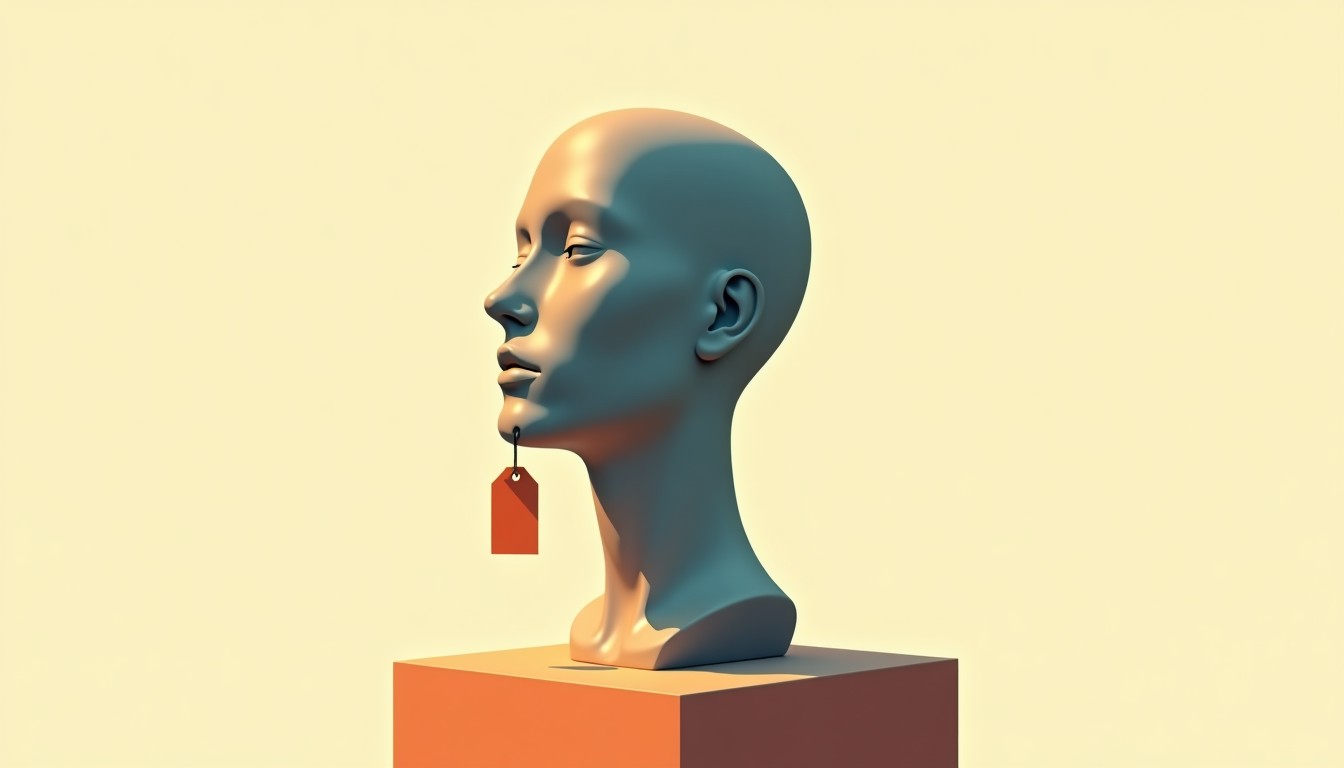
The dry figure hides a brand-new labor market: in the first quarter of 2026 China released about 128 thousand micro-dramas, and more than 95% of them were produced with artificial intelligence. The demand for faces that will run on these models has created a “faces for rent” industry that resembles stock-photo libraries, except the licensed asset is a living person’s likeness.
How it works
Platforms such as ActID recruit ordinary people with no acting experience and offer their likenesses to advertisers, game studios and series producers. The buyer filters by gender, age and “typecast”, and the model then handles expressions, movement, wardrobe and set dressing. Fees range from $15 to $700 per face (about 55 to 2,600 shekels), depending on the platform and license terms. No auditions, no shoot days — just a signed consent form.
The market is exploding
This wave rides directly on the micro-drama format, which in China has become a brutally efficient content machine. Episodes run one to two minutes, with melodramatic plots, fast and cheap production. With 95% of output already relying on artificial intelligence, the only remaining bottleneck is a face pool diverse enough to avoid reusing the same characters in every other series. Platforms solve this at scale: thousands of faces, tagged and ready for inference.
Not just pretty faces
“Producers need beautiful faces for leads, but they also need faces with character — older people, for example,” said Camilla Yan, marketing manager at ActID. The point reveals the direction: not only flawless synthetic stars, but a reservoir of “types” covering the full human age and appearance range. The human actor is replaced by a weight file and a usage license for his face; the acting itself — micro-expressions, timing, diction — is done entirely inside the model.
What this means in practice
The business model turns human likeness into a tradable digital asset, decoupled from the person who wears it. For the creator it is a massive saving in time and money; for the person photographed it is a one-off or recurring passive income stream on a biometric asset. The next interesting question is not technological but legal: what do these license agreements look like, what happens when a face appears in a context the subject never approved, and how long before these databases start leaking into general-purpose model training without another layer of consent.