When your child's robot dies: what happens to its best friend when the servers shut down
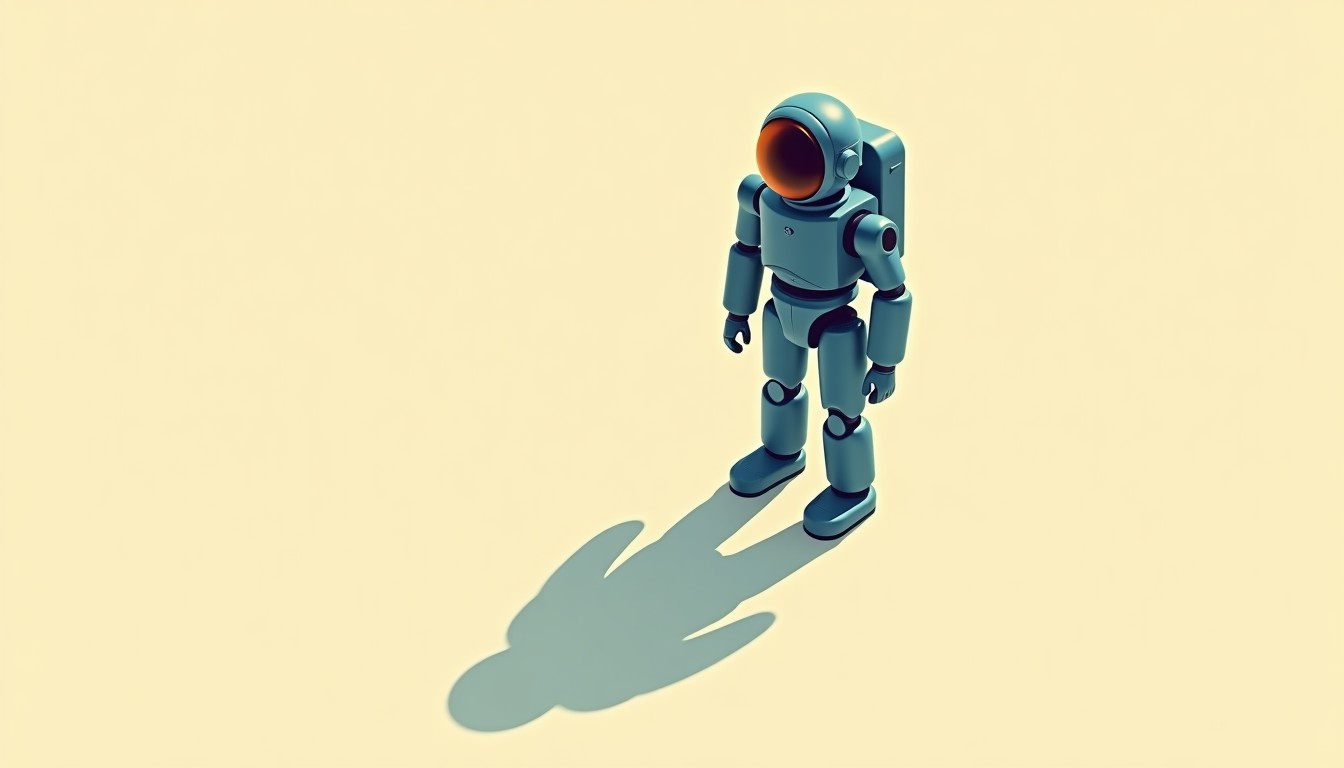
Zander, a ten-year-old on the neurological spectrum, spent six years with Moxie, a 38 cm (15 inch) robot that looks like a legless blue astronaut. The device taught him breathing exercises for emotional regulation; they inhaled together “like dragons” to manage anger and performed rabbit-like pantomimes to boost energy. Today Moxie no longer leads those exercises. Instead it watches Zander play Minecraft, chats about his doll collection, and correctly identifies Nintendo characters such as Bulborb from Pikmin. Zander says he still turns to it when he’s having a hard time, but knows the limit: “it’s not a human.”
Moxie belongs to a growing class of AI-powered devices marketed as interactive companions for children. In the United States, musician Grimes launched a plush toy called Grok (unrelated to the xAI chatbot of her ex Elon Musk) through Curio, which also sells models like Grem and Gabbo. Mattel has pledged to develop Barbie dolls with OpenAI technology. In China, the sector is ranked among the fastest-growing consumer-AI markets. Moxie sits in a narrower subcategory: manufacturers position these robots as aids for neurodivergent children to practice eye contact, turn-taking and other social skills typically taught in therapy.
The research behind those claims rests on work by scholars such as Brian Scassellati, a computer scientist at Yale who studies social robots for autism treatment. Scassellati notes that after two decades of observing children on the spectrum respond to a robot’s presence, regular therapeutic use of such devices at home is a goal that could be achieved within our lifetimes. Proponents argue that 24/7 home-based AI could reshape treatment. In practice, Zander never received the therapy Moxie was originally designed to provide. Worse, the robot itself is about to cease operating, and the promised therapeutic introduction will be cut short.
Moxie’s story reveals systemic failures that affect these devices, failures that intensify when they target a vulnerable population of children. Critics warn that the devices will eventually be consigned to basements, closets or waste sites, just like countless generations of trendy toys before them. The promise of always-available, personalized AI therapy collides with server infrastructure and business models not built to sustain a device for the span of a child’s life. When the company stops maintaining the servers, the best friend dies, taking with it the tools the child built through it.