Major US airlines ban humanoid and animal-like robots from aircraft
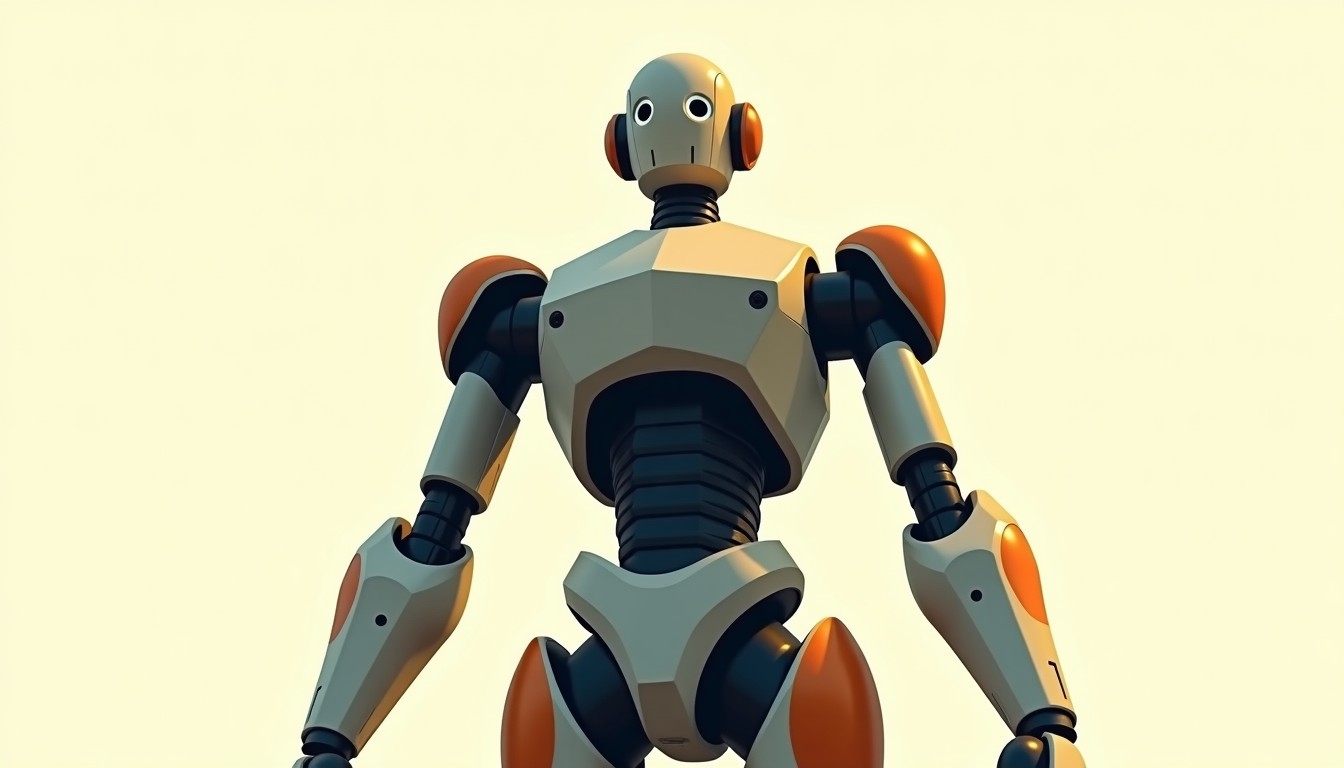
American Airlines announced an immediate ban on bringing robots that resemble humans or animals, whether in the passenger cabin or as cargo, even if a separate seat is purchased for them. The airline joins Southwest, Delta Air Lines and United Airlines, which have already issued similar guidance. The internal memo sent to staff clarifies that “the devices are not recognized as emotional support devices,” closing a possible loophole passengers might have tried to exploit.
The primary reason cited is the batteries. Standard humanoid robots are powered by lithium-ion batteries with capacities of 800 to 2,500 watt-hours (Wh), dozens of times larger than those in phones or laptops. FAA data show that between 3 March and 16 July there were 756 verified incidents involving smoke, fire or extreme heat from electronic devices on U.S. flights, including e-cigarettes, phones and computers. Cabin crews can isolate a small device in a dedicated thermal bag, but a robot’s battery does not fit such a bag, and if stored in an overhead bin out of reach, the logistical risk jumps a level.
Beyond fire danger, the new policy notes operational risks: robots could move, become jammed in overhead compartments or block access in an emergency. Their presence could also cause distress among anxious passengers or those with other mental sensitivities. From the regulator’s perspective, existing FAA rules already limit the size and quantity of lithium-ion devices in carry-on and checked baggage, and the robots simply fall outside that framework without a dedicated certification.
Earlier this year Aaron Mehdizadeh, owner of The Robot Studio in Dallas, placed the robot “Stewie” on a Southwest flight from Las Vegas (LAS) to Dallas (DAL) after purchasing a separate seat. The video of the incident went viral online and triggered a red flag for airlines: if a single passenger can bring a full-size robot with its own ticket, current policies are not equipped to handle the next wave.
Critics argue that service animals could be equally disruptive, but airlines are already evaluating AI technologies that would operate robots for mobility assistance, medical escort and other tasks. Should genuine demand for such tools arise, a new regulatory process will be needed to permit safe flight, including aviation-certified batteries, charging and shutdown procedures, and a dedicated space that does not obstruct aisles. Until then, the door remains closed.