Legato exits startup phase with $12 million funding and AI-powered hearing glasses
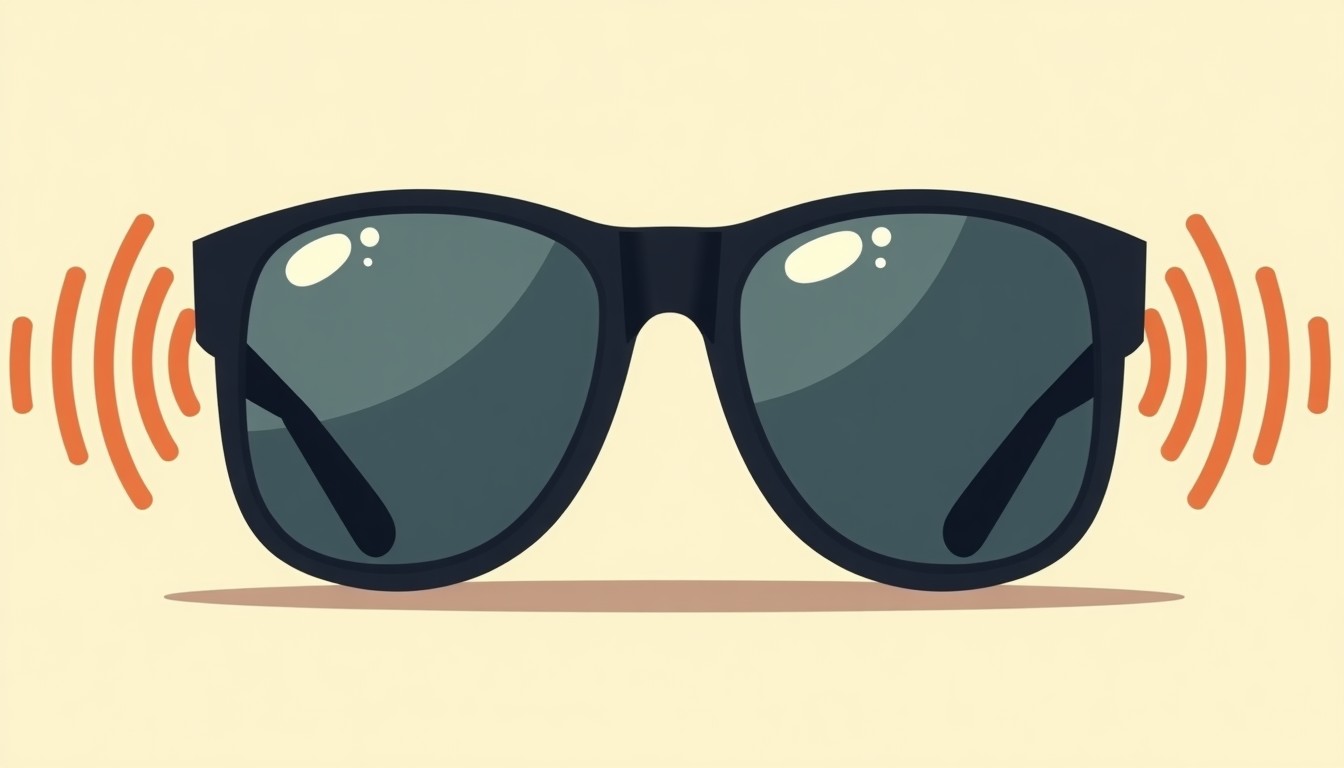
Legato, a hearing-technology startup, announced this week that after a year it has closed a $12 million financing round and unveiled a prototype of AI-enabled hearing glasses, Legato Frames, slated for market launch in the coming fall. The company targets the largest hearing-loss segment—people with mild to moderate loss, who represent the majority of the roughly 50 million U.S. adults with such impairment, yet only about one-fifth seek treatment.
The venture is led by Mehul Trivedi and Steve Romine, both alumni of Bose. Trivedi oversaw development of Bose Frames, the sunglasses with built-in speakers, before moving to EssilorLuxottica, where he ran smart-eyewear initiatives and contributed to Meta Ray-Bans. Romine headed Bose’s hearing-aid division and later served as COO of Audicus, a direct-to-consumer hearing-aid company. The duo founded Legato at the end of 2024 after Trivedi took a break to explore the convergence of hearing technology and smart glasses.
Traditional hearing aids rely on directional microphones that focus on sound from a specific angle, a method that works well in quiet settings but struggles in restaurants or other noisy environments. Legato takes a different route: an AI-driven system that separates background noise from speech and amplifies only the conversational signal. The goal, according to the company, is to deliver clear dialogue without the cognitive load that can accompany aggressive directional amplification. Legato has built a proprietary acoustic stack, a signal-processing suite, and a custom mechanical architecture to pack the solution into the arms of its glasses.
The frames use an open-ear design, yet a dual-speaker array directs audio into the ear while canceling leakage outward, achieving roughly 99 % sound attenuation a few centimeters from the ear. Trivedi describes the product as “no-compromise,” looking like ordinary glasses, lacking buttons or user-adjustable settings, and operating all day without complex configuration. The capital, sourced primarily from Neotribe Ventures, Listen, and Village Global, is earmarked for product development and early-stage marketing.
Legato has not released independent performance benchmarks, a target price, or a precise launch date beyond “the coming fall.” Detailed specifications—including battery life, frequency range, and processing bandwidth—remain undisclosed. The key question is whether the AI can reliably isolate speech in complex noisy settings such as cocktail parties or busy streets without introducing artifacts or noticeable latency, and whether the glasses are comfortable for prolonged wear as the company claims. Independent testing will determine the answers once the first units reach reviewers.