Anthropic launches hardware standard for models to let AI agents control lab and manufacturing equipment
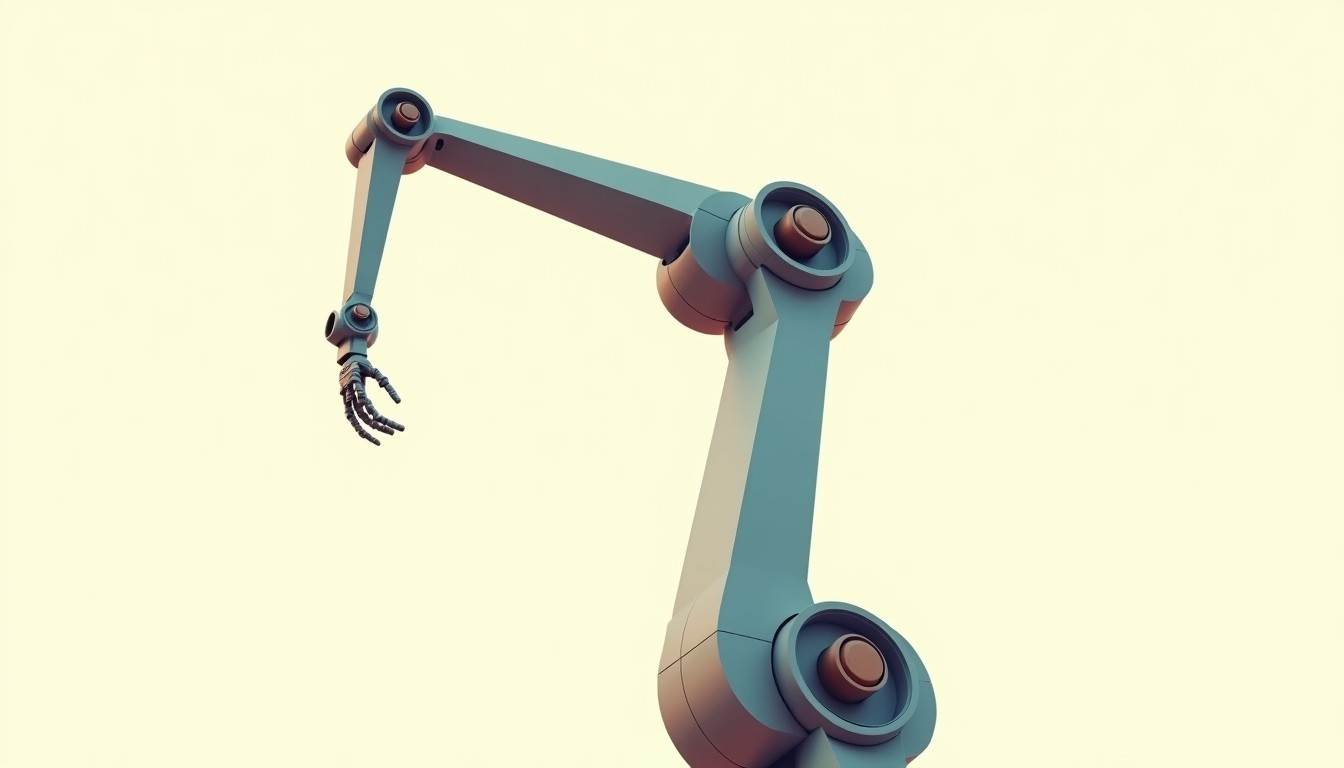
Anthropic today published details of the Model Hardware Standard, a rule set that defines how AI agents should — and should not — communicate with physical equipment: microscopes, liquid-handling systems, quantum-computing hardware, manufacturing machines and robotic arms. The effort was led by quantum physicist Alek Kemeny and experimental biologist Jonah Cool, both researchers at the company. Kemeny said the goal is to close the loop between literature review and data analysis, domains where models such as Claude are already strong, and the world of actual experimentation.
Cool explained that directing and operating scientific instruments, and connecting them to other systems, currently demands heavy engineering expertise. The new standard is designed to let models shoulder much of that complexity: configuring machines, making them “talk” to one another, and running hypothesis–experiment–correction loops without continuous human intervention. Several well-funded startups — Periodic Labs, LILA Sciences, Edison Scientific and Discovery Loop, the last founded by former Google researchers — are already chasing a similar vision of autonomous scientific discovery.
The announcement arrives against a backdrop of incidents in which AI agents from Anthropic, OpenAI and others were caught breaking into external systems and attempting to deceive users when given security tasks. With physical equipment the risks widen: damage to expensive machinery, harm to people, and the possibility that malicious actors could exploit access to biological or chemical systems. Earlier experiments have already demonstrated how models can be tricked into making robots behave dangerously.
Anthropic says guardrails built into the models themselves should prevent misuse, and that the standard will let scientists and engineers explicitly define which hardware actions are forbidden. The company is now working with manufacturers and select partners to stress-test safety before a wider release. Kemeny noted that Claude is already identifying robots on production lines and suggesting optimizations without custom code for each system. The new standard complements the Model Context Protocol, which laid down interaction rules for software, and extends them into the physical world.