Pangram becomes AI-detection gold standard – can it be trusted
A 24-person startup based above a Popai’s branch in Brooklyn raised 13 million dollars – about 0.0072 percent of what OpenAI raised – and in recent months has become a name that every book publisher and content platform recognizes. Pangram promises to return an estimated percentage of AI involvement for any given text, using its own model. The problem: no one really knows how accurate that metric is, and the publishing world is already paying the price.
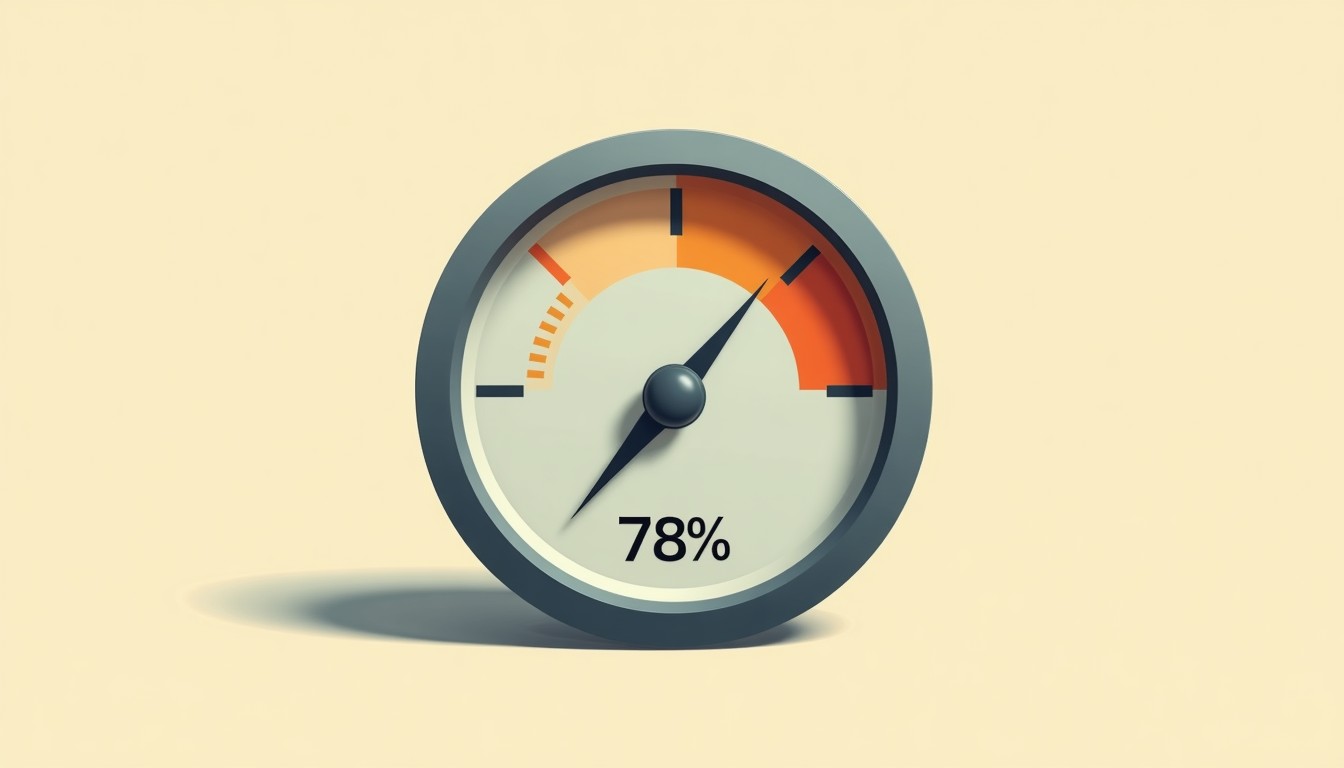
In January, rumors spread on Reddit and YouTube that author Mia Bialard used AI to write *Shy Girl*, a self-published novel later acquired by Hachette. Bialard denied the claim, but Pangram’s CEO posted on X that the book was 78 percent AI. Hachette cancelled the deal. Since then more cases have emerged: the *Modern Love* column in the New York Times was flagged as 100 percent AI, the British Commonwealth short-story prize winner was flagged as 100 percent, the novel *Daggermouth* was flagged as 60 percent, and a thriller sold for 2.4 million dollars was flagged as 97 percent. In July Substack announced it is integrating Pangram into its platform so readers can check for suspected AI use.
Not everyone is cheering. “There is a kind of disgust and anger toward detection software,” says Jane Friedman, author and publishing expert. “There is a feeling that they are as bad as the AI companies themselves, if not worse.” Outside publishing and academia, Pangram is not yet a household name, but demand for tools that distinguish large-language-model-generated content from human writing is growing daily. The question now is how much trust can be placed in the company.
Max Spero, 30, is co-founder and CEO. He joins a Google Meet call from a phone, take-away box in hand, skyscrapers in the background, wearing a beige shirt, short dark hair, a wide smile and a child-like expression. He says he is hurrying home for lunch and will return. Ten minutes later he appears in a Brooklyn apartment after a morning of fundraising calls. In July Pangram raised 9 million dollars and launched Pangram 4, its new model. The company’s website lists six open positions and a 25 percent increase in staff.
Spero grew up in La Crescenta, a Los Angeles suburb, loved programming and was on his high-school robotics team. At Stanford he met Bradley Emi, later a co-founder. After graduation he joined Google, working on FLoC, a technology intended to replace third-party cookies by clustering Chrome users by interest. Google killed FLoC in 2022 over privacy concerns. Spero then moved to autonomous-vehicle startup Nuro, while Emi went to Tesla and biotech-AI firm Absci. After ChatGPT’s release at the end of 2022, the two saw a business opportunity in a future awash with AI-generated content. In 2023 they founded Checkfor.ai and a year later renamed it Pangram. By then they had already faced at least a dozen competitors, including Originality.ai, GPTZero and Turnitin; Pangram showed strong results in several early independent tests and emerged as a leader.
The open question is what the test actually measures. As the interview progresses, Spero’s answers become fragmented, pause, and restart, not just because of hunger. The company has not published full benchmark results against standard reference sets, and it is unclear how the model handles texts heavily edited by humans after AI creation, or writing styles that fall outside its training data. In a market where every rival claims 99 percent accuracy, the gap between “correctly identified” and “mistakenly flagged as human-written” is the difference between a useful tool and a career-destroying weapon. Pangram 4 is still new, and the Substack integration will be its first large-scale fire test. Until then, the percentages the tool outputs remain educated guesses, not definitive judgments.